‘Drywood’ is a misnomer. Absolutely all types of termites do need some water to live and none can survive for long in totally dry wood. The drywood termites though, are very good at getting by with surprisingly little moisture and this enables them to live in small colonies in small pieces of just-damp wood. They can thrive, while the wood is good food that stays sufficiently moist and doesn’t get too hot or too cold. Mostly drywood termites are found in the tropics, in forests and along coasts and rivers. In fact, anywhere that regularly has enough water in the air so that wood tends to always stay that bit moist.
Most mature drywood termite colonies number less than 1,000 termites and it may take the colony the best part of a decade to get to that size. Countering this, their habit of living within a piece of wood means that a house, tree, boat or even a door can be home to many separate colonies.
Drywood termites are cryptic. They don’t tunnel in the soil, they don’t build shelter tubes, they don’t build mounds or other fancy structures which means that drywood termites can be quite hard to find (check the wording on your timber pest inspection–they may be excluded)– see this pdf). Each colony tends to make one or more holes in the surface of their nest wood. They use these as waste chutes for faeces, blocking them up after use. Drywood termite poo is little hard pellets because they generally need to retain as much water as possible. Often a pile of pellets is a sure sign. I first noticed it as a gentle rain of pepper-like material falling from the roof frame of a rustic hotel restaurant in Carita, West Java. Even sitting 4 metres below the roof, I knew for sure they were there.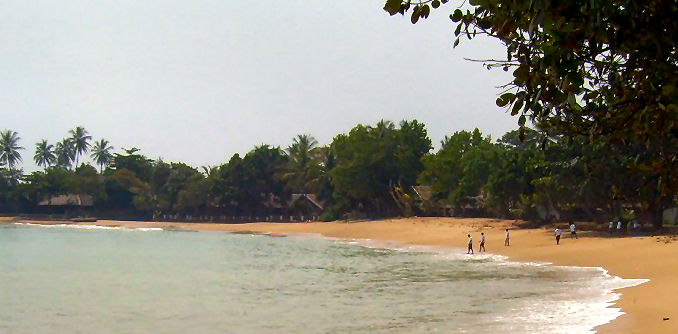
Normal termite controls (aimed at subterranean termites) are no use against drywoods. Using baits seems just plain silly. In small timbers (like doors, furniture, wooden legs etc.) it is easy to control the colony. In buildings it is often better to fumigate or ‘treat’ the whole structure, since you can rarely be 100% sure of finding and killing each individual colony.
The drywood termites are all placed in the Family Kalotermitidae. The main one around the world is the supertramp West Indian Drywood Termite, Cryptotermes brevis but there are tens of others that regularly worry people. Sometimes some of the dampwood termites (Termopsidae) act as if they were drywood termites, producing faecal pellets instead of wet poo, so they may be thought of as functionally or opportunistically drywood.
PS. Where I had used orange oil and wiped the excess from surfaces, a year or so later there is staining. Might just be the ones I was using, but be sure to fully clean away any residues.